
The problem
Custom industrial LCD modules
A standard part rarely fits a new design exactly, and forcing one to fit shows up later in the enclosure, the electronics or the schedule. There are three ways to a display that fits: change what surrounds a module that already works, adapt its electronics to your host, or specify the module from the glass. An engineer decides which one, and says so before you commit.
Custom typically saves 10 to 15% over forcing a standard part to fit.
Call us with whatever you have. No spec sheet needed. (630) 359-5700
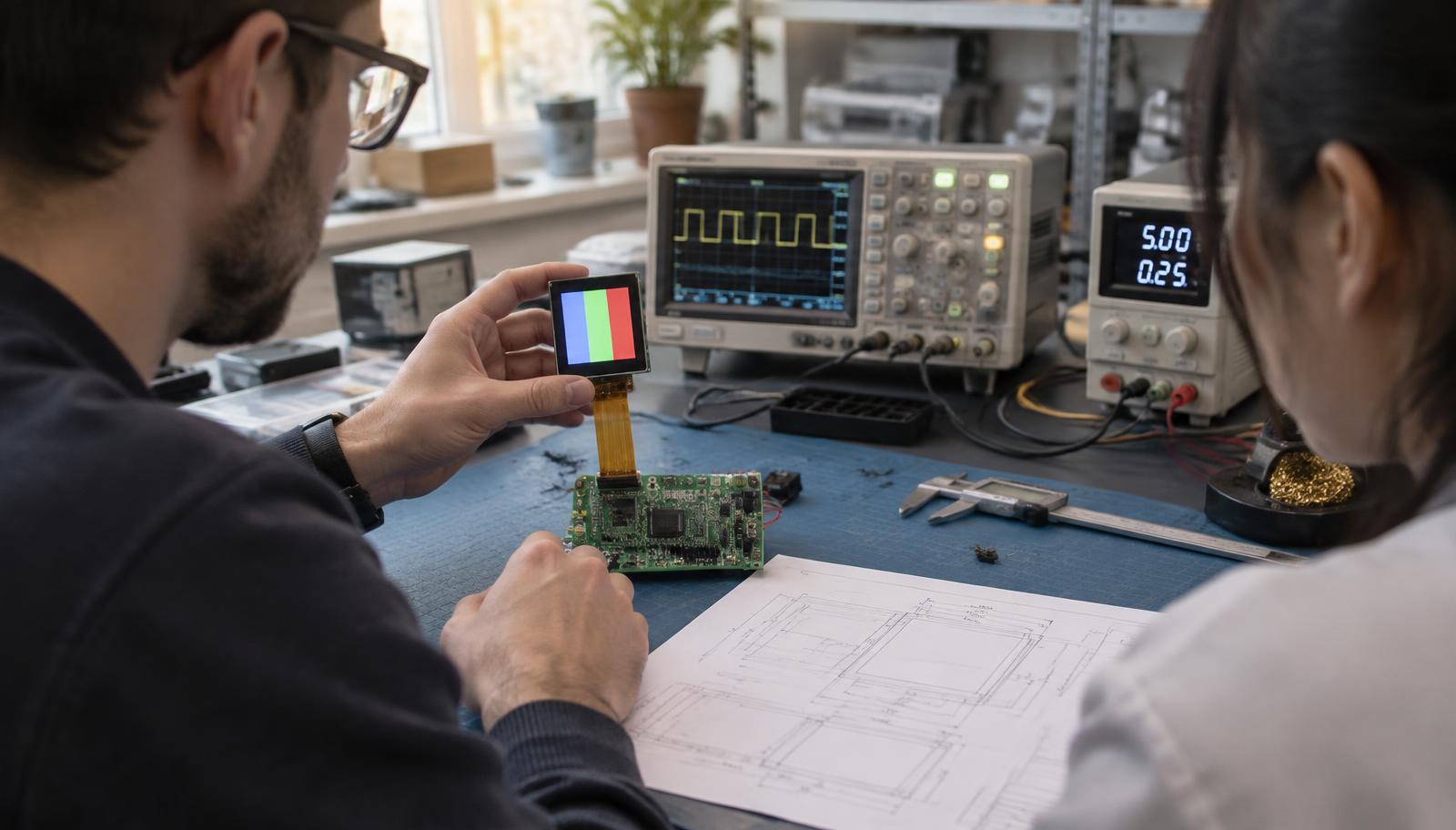
Three ways to get there
Semi-custom changes · Electronic adaptation · Full custom from the glass
Semi-custom changes
Change what surrounds an existing module
Start from a module that already works and adapt the parts that meet your product. The glass stays; everything around it moves.
- Cover lens and optical stack
- Touch — projected capacitive or resistive, tuned for gloves and moisture
- Cables, connectors and pinout
- Backlight output and color
About $1K to $6K in tooling for semi-custom changes.
Where most of our work sits. The shortest route to a display that fits your enclosure.
Electronic adaptation
Make the module speak your host's language
The picture may be fine while the drive chain is not. We adapt the electronics so the module drops into the system you already designed.
- Driver and controller selection
- Interface match — RGB, MCU, SPI, LVDS or MIPI
- Converters and adapter boards
- Supply rails and backlight drive
When the optics work and the connection, timing or board does not.
Full custom from the glass
Specify the module itself
When a standard format forces a compromise you would otherwise carry for years, specify the module instead of adapting one.
- Glass format, active area and pixel format
- Optical design for your lighting
- Mechanical envelope and mounting
- Tooling and a longer schedule
Tooling estimate: TN ≈ $80K · IPS up to ≈ $150K
Long runs where unit cost at volume pays the tooling back.
Every path starts with an engineer
Nothing is promised before review. An engineer checks feasibility, then confirms cost and delivery — before you commit anything. Response in 24 hours.
What we need from you
Send what you have. Gaps become the first question, not a reason to wait.
- Current module or drawing
- Part number, revision and the drawing you were given, even if it is only a datasheet PDF.
- Where it lives
- Temperature, humidity, dust and water, vibration, and whether sunlight reaches the screen.
- Host interface
- RGB, MCU, SPI, LVDS or MIPI today, and where you want to land.
- Readability
- Lighting, viewing angle, gloves or moisture on touch, and any night-time dimming.
- Mechanical envelope
- Panel opening, module thickness, mounting points and flex route.
- Volume and schedule
- Annual run (1,000–50,000 units) and the build date you are working to.
- What must not change
- Connector, pinout, firmware, cover glass — tell us what is fixed before we start.
Checked before a module is released
The same industrial checks we publish on the application guide apply to custom work.
- Operating environment
- Define temperature, humidity, vibration and contamination requirements. Confirm each limit with a model-specific specification and qualification plan.
- Operator interaction
- Test viewing angle, glare and touch operation with gloves or moisture where required.
- Production continuity
- Agree on change control, lifecycle planning, connection details and backlight supply before committing to a production program.
Formats to start from
Selected for their recorded format, optics or interface — not certified suitability for your equipment. Confirm environment, electrical and qualification requirements with engineering.
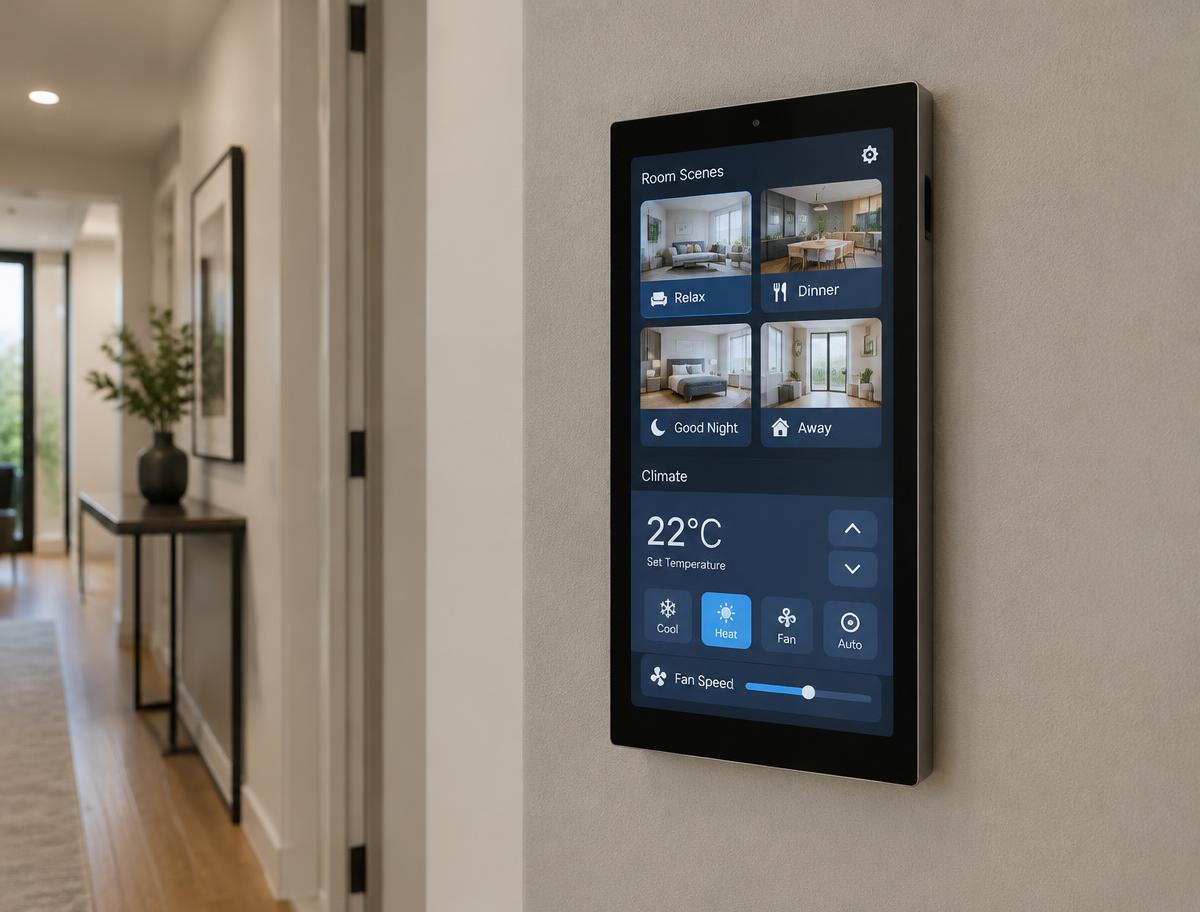
Color TFT
PDIS070BWX43EP
A color TFT format to evaluate for graphical equipment controls.
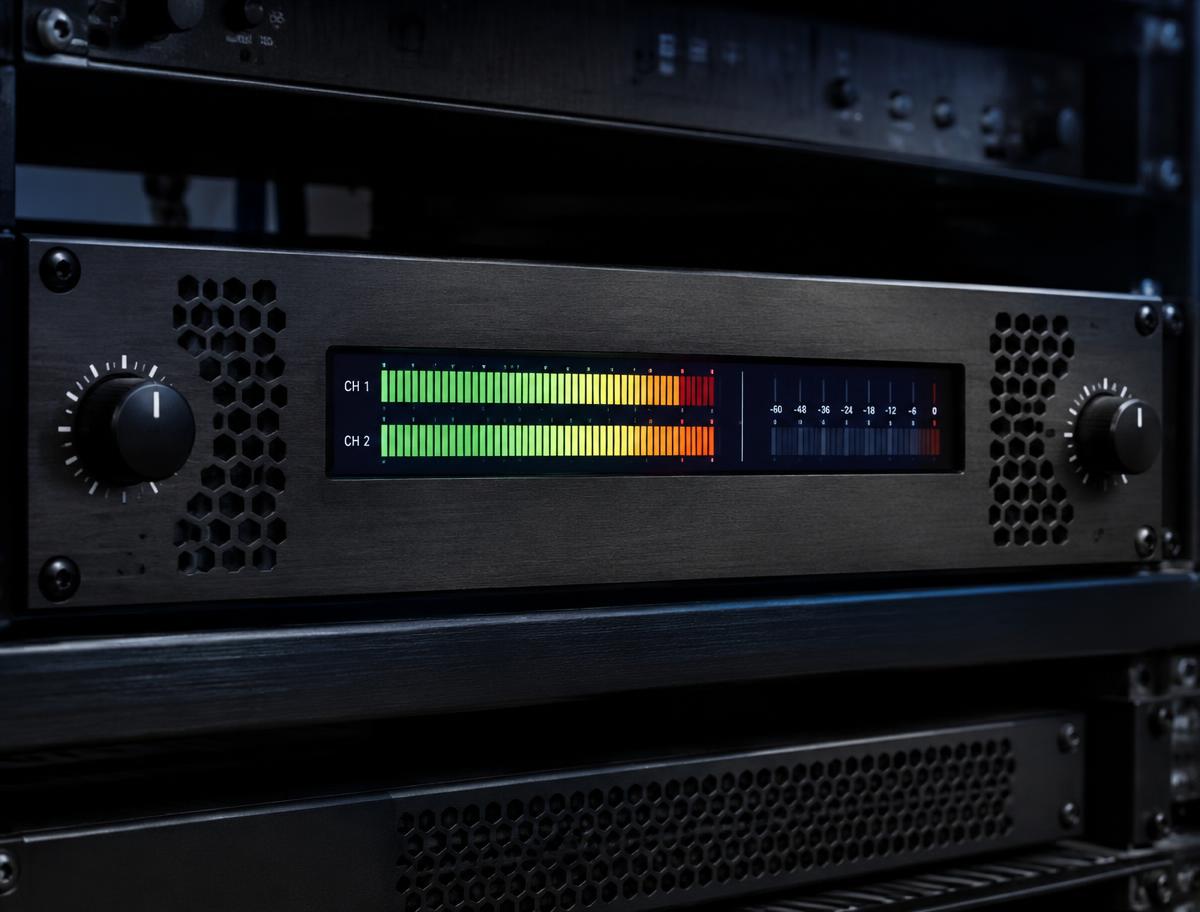
Color TFT
PDI039QWQ01HS
Recorded 480 × 128 resolution and RGB interface for a narrow status layout.
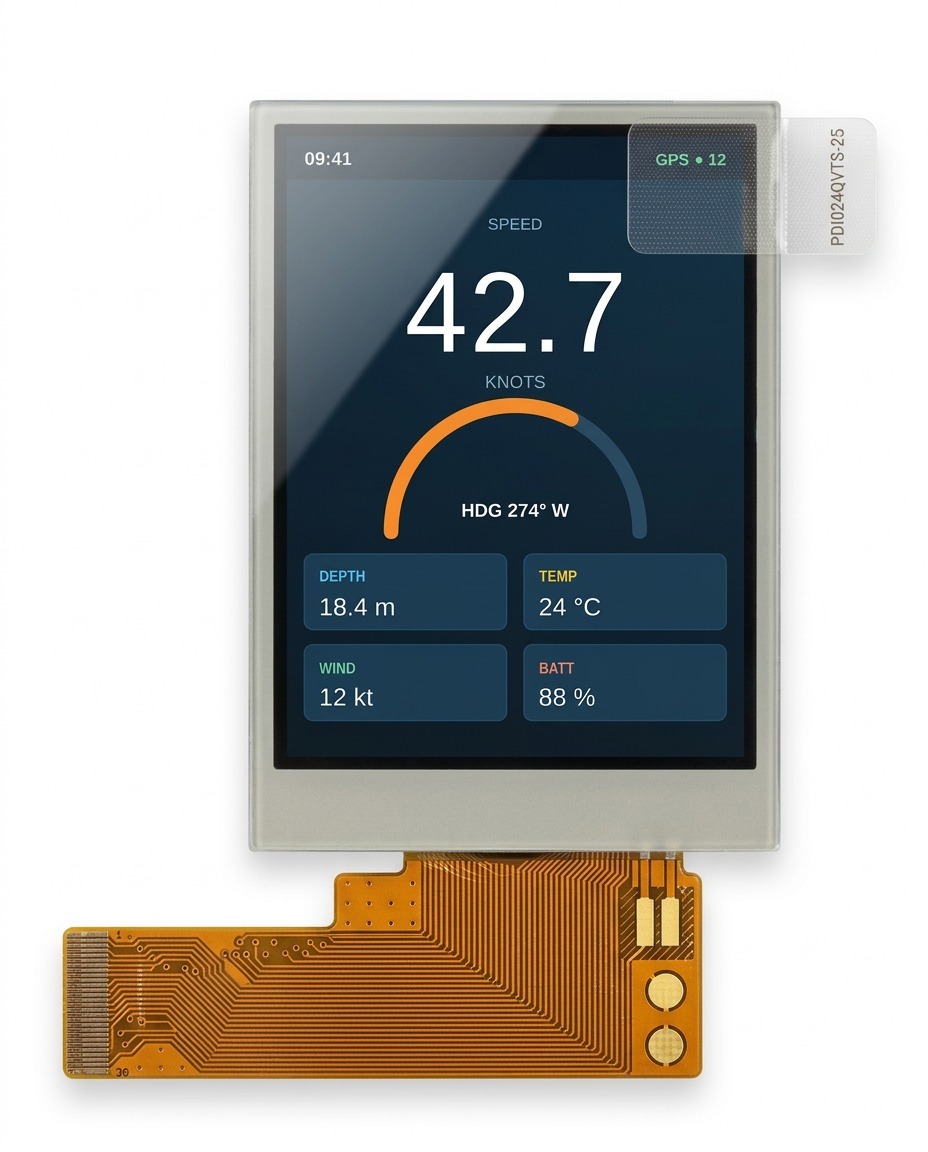
Color TFT
PDI024QVTS-25
Recorded transflective optical design and SPI / MCU selection for compact instruments.
How the work runs
- 01
Send requirements
One form. An engineer reads it and replies within 24 hours.
- 02
Engineering review
Standard, semi-custom or full custom — with the reason behind the recommendation.
- 03
Proposal
Tooling, unit cost, MOQ (500–1,000 per build) and lead time (6 to 8 weeks, as low as 3 weeks expedited).
- 04
Samples and first article
Test in your enclosure, your lighting and your host before anything is released.
- 05
Production and change control
Supply planned around your build schedule, with notice on any change to the module.
Typical runs 1,000–50,000 units. Tooling and lead time are quoted per program — estimates on this page are starting points, not offers.
Questions we get asked
- Are custom displays more expensive than standard?
- Tooling is real money — $1K–$6K for semi-custom color on standard glass, ≈ $80K for a full-custom TN. At volume a module designed around your application can land below a modified standard. The calculator shows where your break-even sits.Work out your break-even
- When should we go custom?
- Usually when the run is long enough to pay the tooling back, or when a standard module forces a compromise you would otherwise carry for years.Read the original answer
- Can we keep our connector and pinout?
- Say so before the review. Connection details are one of the fixed points engineering works around, not something we change on you later.
- Do you support smaller runs?
- Typical MOQ is 500–1,000 per build, and up to 2,000 for some color TFT. Tell us the run and we will say plainly whether it fits.
Related
Tell us what the display has to do.
We review environment, interface and schedule, then tell you whether standard, semi-custom or full custom is the right call. Response in 24 hours.